
About Windsor CO
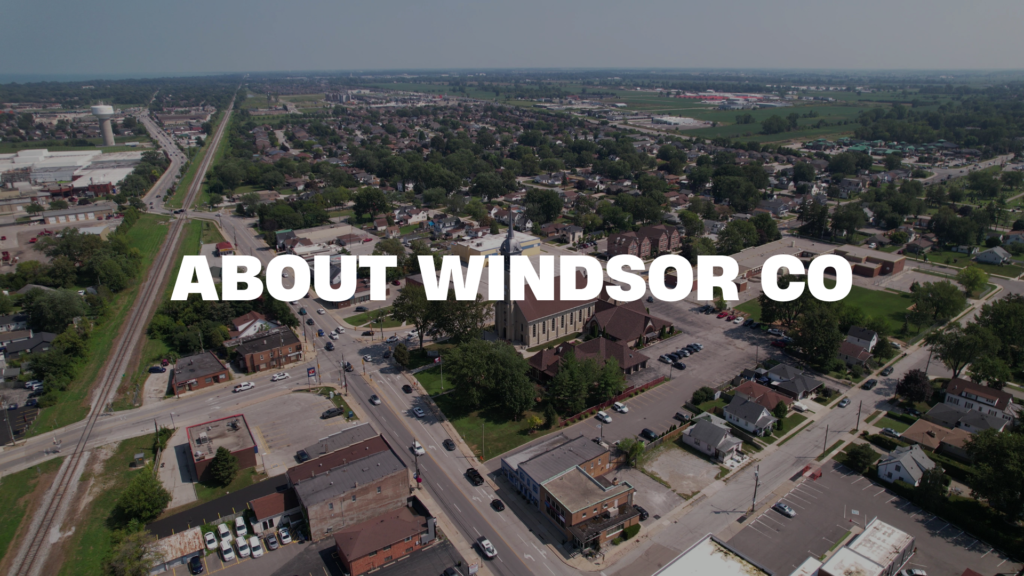
About Windsor CO, buyers will find a growing Northern Colorado community with deep agricultural roots, historic buildings, expanding neighborhoods, parks, trails, and convenient access to Fort Collins and Greeley. Windsor developed around the railroad and sugar beet industry, and its history still influences the town’s character, street patterns, architecture, and sense of community.
What Is Windsor, Colorado, Known For?
Windsor is a Northern Colorado town located between Fort Collins and Greeley, with convenient access to Loveland, Timnath, Johnstown, and Interstate 25. It is known for its agricultural heritage, historic downtown, parks and trails, established neighborhoods, newer residential developments, and continued population growth.
The town was incorporated in 1890, but the story of the Windsor area began centuries earlier. Indigenous peoples traveled and hunted across the plains long before permanent farms, railroads, or neighborhoods appeared.
Today, Windsor blends reminders of that history with modern housing, businesses, recreation, schools, and community services.
Windsor’s History Before European Settlement
One of the earliest known chapters in Windsor Colorado history is represented by the Kaplan-Hoover Bison Bone Bed near Windsor.
Archaeological evidence indicates that people hunted bison in the area more than 2,700 years ago. The site is recognized as Colorado’s largest known Archaic-era bison kill site and provides important evidence of human activity in Northern Colorado long before European settlement.
Readers can explore the Kaplan-Hoover Bison Bone Bed to understand how this archaeological discovery fits into the area’s much longer human history.
Early Settlement and the Halfway House
In 1873, J.L. Hilton built a small home along the Overland Trail route between Greeley and Fort Collins. It became known as the Halfway House because it offered travelers, stagecoach passengers, and mail carriers a convenient stopping place between the two communities.
The building’s role declined as railroad transportation became more common, although it continued operating for a period as a saloon.
This early gathering place reflected a geographic advantage Windsor still offers: a central location near several of Northern Colorado’s largest communities.
How the Railroad Helped Windsor Grow
The arrival of the Greeley, Salt Lake and Pacific Railway in 1882 was a defining event in Windsor’s development. Rail service connected the area with Fort Collins and Greeley while helping farmers transport crops, equipment, and supplies.
Rail access, productive farmland, and expanding irrigation systems attracted farmers, merchants, investors, and business owners. Wheat was initially an important local crop, but sugar beets eventually became the community’s dominant agricultural industry.
The Town of Windsor’s official Windsor history overview provides additional details about the railroad, agriculture, immigration, and industrial development that shaped the town..
Windsor’s Sugar Beet Industry
Windsor’s sugar factory opened in 1903 and later became part of the Great Western Sugar Company. Sugar beets became so valuable to regional farmers that they were sometimes called “white gold.”
The industry supported:
- Farm and factory employment
- Railroad shipping
- Local stores and service businesses
- New homes and community institutions
- Population and commercial growth
The factory also influenced Windsor’s cultural identity. Germans from Russia arrived in the area, and many later purchased farms or established churches, businesses, and community organizations. Mexican immigrant laborers performed much of the demanding seasonal fieldwork required for beet production.
According to the Windsor Chamber of Commerce, sugar beet farming became Windsor’s primary economic force and helped triple the town’s population between 1900 and 1910.
From Agriculture to Industry
Windsor’s sugar factory closed in 1966, ending one of the most influential periods in the town’s economic history. Other employers later arrived, including an Eastman Kodak facility that provided jobs for generations of Northern Colorado residents.
Windsor subsequently developed a more diverse economy that included manufacturing, energy, recycling, agriculture, construction, professional services, retail, and residential development.
That transition is visible in the town today. Historic commercial and civic buildings remain, while former farmland has become neighborhoods, schools, shopping areas, parks, and employment centers.
What Windsor’s Growth Means for Home Buyers
The U.S. Census Bureau estimated Windsor’s population at 43,840 as of July 1, 2025, compared with a 2020 population base of approximately 32,700.
For buyers, rapid growth can create both opportunities and important questions. Before choosing a Windsor home, consider:
- Neighborhood age: Older and newer areas may differ in architecture, lot size, landscaping, infrastructure, and maintenance needs.
- Daily travel: Compare access to Fort Collins, Greeley, Loveland, Interstate 25, schools, and employment.
- Community amenities: Review nearby parks, trails, recreation facilities, shopping, and public services.
- Future development: Vacant land, road projects, and planned construction may affect traffic, views, and neighborhood character.
- Homeownership costs: Evaluate property taxes, insurance, utilities, HOA fees, and likely maintenance in addition to the purchase price.
Buyers planning a move can review the Windsor CO relocation guide for practical information about neighborhoods, commuting, schools, utilities, weather, homeownership expenses, and new construction.
It is also helpful to compare the pros and cons of living in Windsor CO, including the town’s location, housing choices, community amenities, transportation needs, and continued development.
How History Influences Windsor Real Estate
Windsor’s development periods help explain differences among its neighborhoods.
Homes near older parts of town may offer mature landscaping, established street patterns, distinctive architecture, and proximity to historic commercial areas. Newer communities may provide contemporary floor plans, planned amenities, trails, open space, and newer infrastructure.
Neither option is automatically better. The right choice depends on a buyer’s priorities, including:
- Desired home style
- Renovation tolerance
- Lot size
- HOA preferences
- Commute
- Recreation
- Long-term plans
As a Northern Colorado real estate professional, Todd Maltzahn helps buyers evaluate more than a listing’s photos and asking price. Local knowledge can provide context about when an area developed, how surrounding land is changing, and which property characteristics may affect ownership or resale. Buyers can also explore available homes in Windsor CO to compare property styles, locations, lot sizes, and community features.
Windsor Today
Modern Windsor is considerably larger than the railroad and farming settlement of the late 1800s. Its history, however, remains visible in downtown buildings, agricultural traditions, cultural programs, community institutions, and longtime local families.
For home buyers, that combination is part of Windsor’s appeal. The community offers a connection to Northern Colorado history while continuing to add homes, businesses, parks, trails, and modern amenities.
Frequently Asked Questions About Windsor CO
When was Windsor, Colorado, founded?
Windsor developed around the railroad after its arrival in 1882 and was incorporated as a town in 1890.
What was Windsor originally known for?
Windsor was known for railroad commerce, wheat farming, sugar beet production, and the sugar factory that opened in 1903.
Why was the railroad important to Windsor?
The railroad made it easier to transport crops, equipment, supplies, and commercial goods while connecting Windsor with Fort Collins and Greeley.
Is Windsor still growing?
Yes. The Census Bureau estimated Windsor’s population at 43,840 on July 1, 2025, showing substantial growth since 2020.
Does Windsor have older and newer neighborhoods?
Yes. Windsor includes historic areas, established subdivisions, golf-course communities, and newer master-planned developments. Housing characteristics and amenities vary by location.
What should buyers research before moving to Windsor?
Buyers should compare neighborhoods, commute routes, schools, parks, taxes, HOA obligations, insurance, future development, and the condition of individual properties.
Is Windsor convenient for commuting?
Windsor’s position between Fort Collins and Greeley provides access to several Northern Colorado employment centers. Actual travel times depend on the neighborhood, destination, road conditions, and time of day.
Learn More About Windsor CO
Thinking about buying a home in Windsor, Colorado? Contact Todd Maltzahn with Berkshire Hathaway HomeServices Rocky Mountain, REALTORS®, for local guidance on neighborhoods, properties, market conditions, and the home-buying process. Start your search with an experienced Northern Colorado professional who understands the community behind About Windsor CO.