



Selling a house with an addition in Windsor, CO rarely stalls because of the extra space itself. It stalls when the addition feels bolted on, when its permit or square footage doesn’t match public records, or when the price assumes buyers will pay for every added foot. You have three levers: improve the flow with modest fixes, document the permit and measurements, and price on what comparable sales actually reward.
A family room added years ago often becomes the room you live in most. When buyers call the layout “chopped up,” they’re telling you how the house reads on a first walk-through, not that the addition was a mistake. That feedback is fixable, and some of it costs very little.
Why an Addition Can Make a Layout Feel Chopped Up
Buyers rarely object to more space. They object to space that doesn’t connect. Common signs include:
- A narrow doorway cut through the old exterior wall
- A step up or down between the original house and the addition
- A room you can only reach by walking through another room
- Flooring, trim, or ceiling height that changes at the seam
- An old exterior window now looking into the family room
- A space that runs noticeably warmer or colder than the rest of the house
Each one tells buyers where the original house ended. One or two rarely matter. Several together make the home feel like two houses joined at a doorway.
What Buyers Notice vs What They Pay For
Those are not the same thing, and the difference shapes where your money should go.
| Addition Feature | Buyers Notice | Buyers Pay For | Used in Negotiation |
|---|---|---|---|
| Extra living space | Yes | Yes, when it flows | Rarely |
| Pass-through access | Yes | No | Sometimes |
| Mismatched finishes | Yes | No | Sometimes |
| Separate heat source | At inspection | No | Yes |
| Permit record | Rarely at first | Indirectly, through confidence | Yes, if missing |
Permits, Square Footage, and the Appraisal
Colorado’s Seller’s Property Disclosure form asks separately about additions made with a building permit and without one. If yours was permitted, find the finaled record before listing. If it wasn’t, the options look like those for selling a home with unpermitted work in Windsor.
Square footage is the next question. County records sometimes lag behind an addition, and the state’s Square Footage Disclosure form treats listing measurements as marketing figures, suggesting independent measurement when exact size matters. Buyers who spot a gap will ask about it.
Appraisers look closely too. Fannie Mae’s appraisal guidelines say unusual layouts generally have limited market appeal and require comments on any unpermitted addition’s quality and its effect on value. Having plans, permits, and receipts ready is part of preparing for a home appraisal in Windsor.
Modest Fixes That Help the House Read as One Home
Moving walls before a sale rarely pays back. Smaller changes often do:
- Paint the addition and adjoining rooms one color.
- Match trim and door hardware at the transition.
- Carry one flooring through the seam where practical.
- Brighten the transition with better lighting.
- Stage the addition for one clear purpose.
- Add a floor plan that shows how the rooms connect.
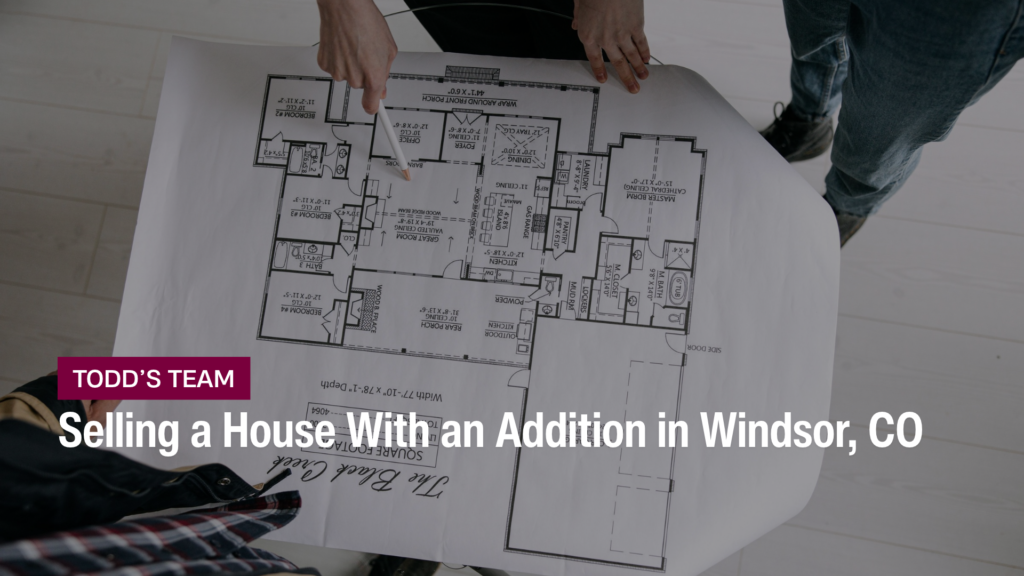
Buyers who can see the whole layout before a showing arrive less surprised, which is why Todd often recommends including a floor plan in your listing for homes with additions.
Pricing a Home With an Addition
| Pricing Approach | Potential Benefit | Potential Drawback |
|---|---|---|
| Price on total square footage | Strong headline size | Invites per-foot comparisons |
| Price on comps with additions | Easier to defend | Few close matches |
| Price below layout-adjusted value | More showings | Less negotiating room |
An addition adds value, but buyers usually pay less per foot for space that flows awkwardly. That’s why price per square foot misleads when Windsor homes differ, and why Todd prices from adjusted sales instead.
Frequently Asked Questions
Should we remove a wall before listing?
Usually not. Structural work takes time, may need engineering and a permit, and buyers rarely pay back the full cost.
Widening a non-structural opening can be different. Todd would compare the bid against what buyers are actually objecting to.
Our addition isn’t in the county records. Does that matter?
It can. Buyers and appraisers check public records, and an unexplained gap raises questions.
Disclose it, gather any permit history, and be ready to explain how the space was measured.
Does a separate heater in the addition hurt us?
Not by itself. Buyers mostly want the room comfortable year-round.
If it runs cold in a Windsor winter, expect inspection questions. Service records help.
Will buyers pay full value for the added square footage?
Sometimes. A well-integrated addition can compare cleanly with larger homes nearby.
A pass-through room or an awkward step-down usually earns less, so the price should reflect how the space works.
Should we market the addition as a bonus room?
Only if that’s how it lives. A clear label helps buyers picture furniture and use.
A vague label can make the room feel leftover, which reinforces the chopped-up impression.
Is Selling a House With an Addition in Windsor, CO Harder?
Not necessarily, but it asks more of the presentation. The tradeoff is spending on flow now versus pricing around it later. Sometimes paint and a floor plan close the gap. Sometimes the honest answer is to leave the layout alone and let the price carry it.
Todd can help you sort out how the addition affects buyer perception, square footage, disclosure, and appraisal risk. For structural or permit questions, he can help frame what to ask a contractor, engineer, or the Town of Windsor.
He would review showing feedback, recent sales of homes with and without additions, competing listings, and which fixes buyers would actually notice. Start with a current value for your Windsor home.
Todd can walk through what selling a house with an addition in Windsor, CO looks like for yours. Call or text 970-286-5390.