



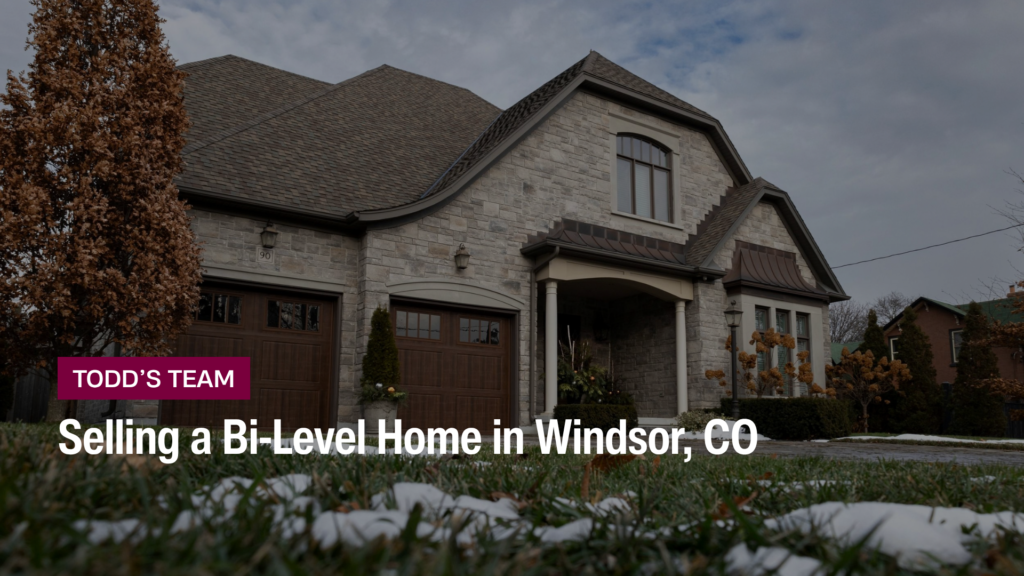
Selling a bi-level home in Windsor, CO rarely stalls because of the floor plan alone. When a bi-level gets showings but no offers, the cause is usually one of three things: it was priced against ranch and two-story sales instead of other bi-levels, the lower level reads as a basement, or the entry stairs and darker lower rooms were never addressed. Fix the comps and the presentation, and the layout usually stops being the objection.
A half flight up and a half flight down at the front door can cost a few buyers. More often, the layout takes the blame for a pricing or presentation problem that would slow any floor plan.
How Windsor Buyers React to Bi-Level, Split-Level, and Tri-Level Plans
Buyers notice the entry stairs immediately. That is different from refusing to pay for the house.
| Floor Plan | What Buyers Notice | What Buyers Pay For | What Buyers Negotiate With |
|---|---|---|---|
| Bi-level | Stairs at the front door | Finished space per dollar | Lower-level light and ceilings |
| Split-level or tri-level | Short flights between zones | Separated living areas | Dated finishes, choppy flow |
| Ranch | Single-level living | Main-floor convenience | Rarely the layout |
| Two-story | Bedrooms together upstairs | Above-grade square footage | Basement size or finish |
The stairs become a price objection when a similarly priced ranch is on the market.
How the Lower Level Gets Counted
Under Fannie Mae’s appraisal guidance, a level counts as below grade if any part of it sits below grade, no matter how bright or well finished. A bi-level’s lower level usually lands on the appraisal as basement space, though the same guidance notes those rooms can still add substantial value.
The risk is marketing. If your listing blends both levels into one number, buyers comparing price per foot against a two-story feel misled once the appraisal separates them. Review how finished basement space is reported on a Windsor listing before you set that number.
Selling a Bi-Level Home in Windsor, CO Starts With Bi-Level Comps
Subdivision averages blend ranches, two-stories, and bi-levels into one price per foot. Your best evidence is other bi-levels. Before recommending a price, Todd pulls:
- Bi-level and split-level sales nearby
- Above-grade and below-grade square footage, separately
- Lower-level finish, ceiling height, and window size
- Days on market for similar layouts, not the whole subdivision
It’s the same logic behind how a Windsor listing price is built from comparable sales, filtered by floor plan.
Which Buyers the Layout Suits
A bi-level often delivers more finished space for the money than a ranch. That appeals to first-time buyers and anyone wanting a separate family room, guest suite, or office. It suits downsizers less, so photos and remarks should speak to the buyers who want what the layout does well.
Presentation That Helps a Bi-Level Read Better
| Problem Spot | What Buyers Feel | Seller Strategy |
|---|---|---|
| Split-entry landing | Cramped first impression | Clear and brighten it |
| Lower-level light | Basement feel | Brighter bulbs, lamps, clean windows |
| Unclear lower rooms | Leftover space | One purpose per room |
| Listing photos | Stairs dominate | Show how levels connect |
Before relisting, Todd would typically work in this order:
- Match bulbs on both levels to one color temperature
- Clear the entry landing and stairs
- Give each lower-level room one clear use
- Reshoot with professional photography that shows how the levels connect
- Rewrite remarks to separate above-grade and below-grade space
Frequently Asked Questions
We had showings but no offers. Is that the layout?
Possibly, but showings without offers usually point to price against the competition or to condition. If buyers tour yours and then choose a ranch at a similar price, your home is being judged against the wrong comps.
Few showings is a different signal, covered in what low showing activity usually means.
Can we market the lower-level room as a bedroom?
That depends on the window, the finish, and whether the work was permitted. Buyers and inspectors look for an egress-size window; a room without one may be better marketed as a den or office.
If the lower level was finished without a permit, disclose what you know on Colorado’s Commission-approved Seller’s Property Disclosure. Learned early, it’s a fact. Learned at inspection, it’s leverage.
Should we update the lower level before listing?
Usually not a full remodel. Lower-level spending rarely returns dollar for dollar because appraisers still treat it as below-grade space. Paint, lighting, and replacing worn flooring are most likely to pay off.
Will radon come up because of the lower level?
Often, yes. Radon enters from the soil beneath the house, so buyers focus on the lower level and many test during inspection.
Read Colorado’s radon guidance for real estate transactions before you list. If you have a mitigation system, put it in the listing.
Should we just drop the price?
Not before you know what you’re dropping from. A cut built on subdivision averages may still miss bi-level comps.
Start with what your Windsor home is worth against same-layout sales.
What Selling a Bi-Level Home in Windsor, CO Really Comes Down To
The layout is real, but rarely the whole story. The question is whether buyers are rejecting the bi-level, or rejecting a bi-level priced like a ranch and shown like a basement. Those call for different fixes.
Todd helps Windsor sellers see the house the way buyers and appraisers will. For permit, egress, or radon questions, he can help you identify what to ask a building official, inspector, or mitigation contractor.
Todd will show you recent bi-level sales, active competition in your bracket, your showing activity, and how your lower level compares with homes that sold. Sometimes the answer is a lighting and photo reset. Sometimes it’s a price correction. Sometimes it’s leaving the lower level alone and waiting for a stronger buyer season. Todd can give you a straight read on selling a bi-level home in Windsor, CO. Call or text 970-286-5390.